
Lisbon on a Budget: The Best of the City for Next to Nothing
Free viewpoints, free museum windows, tascas and the river: Lisbon's best costs little or nothing
Redação Dazona
·
·
6 min read
Lisbon has become expensive, and there is no point pretending otherwise. But here is the truth the paid tours won't tell you: the best of the city still costs little or nothing. The light, the viewpoints, the tiled façades, the river at dusk, a prato do dia in a neighbourhood tasca — none of it requires a ticket. This guide pulls it all together. It is not a list of hacks; it is how plenty of Lisboetas actually live in their own city.
Miradouros: the best show in town is free
Lisbon sells views from paid platforms, but the finest vantage points are public and free. Keep these names handy:
- Miradouro de São Pedro de Alcântara, at the top of the Glória funicular — which you can skip by walking up the steep lane beside the tracks
- Miradouro da Senhora do Monte in Graça, the highest of them all and the best at sunset
- Miradouro das Portas do Sol and Miradouro de Santa Luzia in Alfama, with the rooftops and the Tagus spread below
- Miradouro de Santa Catarina, between Bairro Alto and Cais do Sodré, with a young, relaxed crowd in the early evening
The same logic applies to the Santa Justa lift: the queue and the ticket make little sense when you can reach the upper walkway on foot via Largo do Carmo and get nearly the same view from street level.
Azulejos: the museum is on the walls
The National Tile Museum is worth a visit, but the bigger collection is scattered across the streets, free of charge. Walk Calçada da Glória and the lanes of Mouraria and Alfama with your eyes on the façades: nineteenth-century patterns, devotional panels on corners, whole buildings of coloured geometry. Largo do Intendente holds one of the city's loveliest fronts, the old Viúva Lamego factory. Photograph all you like — but never buy antique tiles from street sellers, as many are stripped straight off buildings.
Free museum windows
Since 2024, Portugal's state-run national museums, monuments and palaces have offered free entry on Sundays and public holidays — all day, but for residents of Portugal only, on presentation of proof of residence at the ticket desk (a citizen card or residence permit works). That covers heavyweights such as the Jerónimos Monastery, the National Museum of Ancient Art and the National Pantheon. Children up to 12 go free every day, resident or not.
If you are visiting rather than living here, the resident windows won't apply to you, but several museums have their own free days or evening slots, and plenty of Lisbon's pleasures in this guide need no ticket at all. The rules and the list of covered sites change from time to time — check the official Museus e Monumentos de Portugal site before you go. And arrive early: on sunny Sundays the Jerónimos queue forms before the doors open.
Eating cheap: the prato do dia culture
Lisbon's budget meal is not fast food; it is the tasca. Look for small, plain dining rooms with the menu handwritten by the door and the magic words prato do dia — the dish of the day. At weekday lunchtime it typically bundles soup, a main course and sometimes a drink and coffee for a fraction of tourist-zone prices. Simple rules:
- Eat lunch where working people eat: office districts and neighbourhoods like Arroios, Penha de França or Campo de Ourique
- Be wary of menus with photographs and anyone beckoning you inside
- The municipal markets — Mercado de Arroios, Campo de Ourique — have food stalls at honest prices; the Time Out Market at the Ribeira is fun, but it stopped being the cheap option years ago
Walking replaces the paid tour
The tram tours, tuk-tuks and hop-on buses sell what your legs do for free. Two routes that replace any paid tour:
Baixa to Alfama: start at Praça do Comércio, climb past the cathedral, pause at Portas do Sol, get lost in Alfama's lanes and drop down to Santa Apolónia. Two to three hours with stops, and it crosses almost everything the famous tram 28 shows you — without being pressed against a window.
Cais do Sodré to Belém: a flat riverside walk with the Tagus on your left the whole way, past Alcântara and LX Factory to the Belém Tower. It is roughly 7 kilometres; if that is too much, do a stretch by train or bus and walk the rest.
Picnics and the river
When the weather cooperates — and in Lisbon it usually does — the best table in the city is a park bench. Jardim da Estrela has shade, a kiosk and lawns; Tapada das Necessidades is wilder and emptier; Jardim do Príncipe Real sits two minutes from good grocers for assembling your spread.
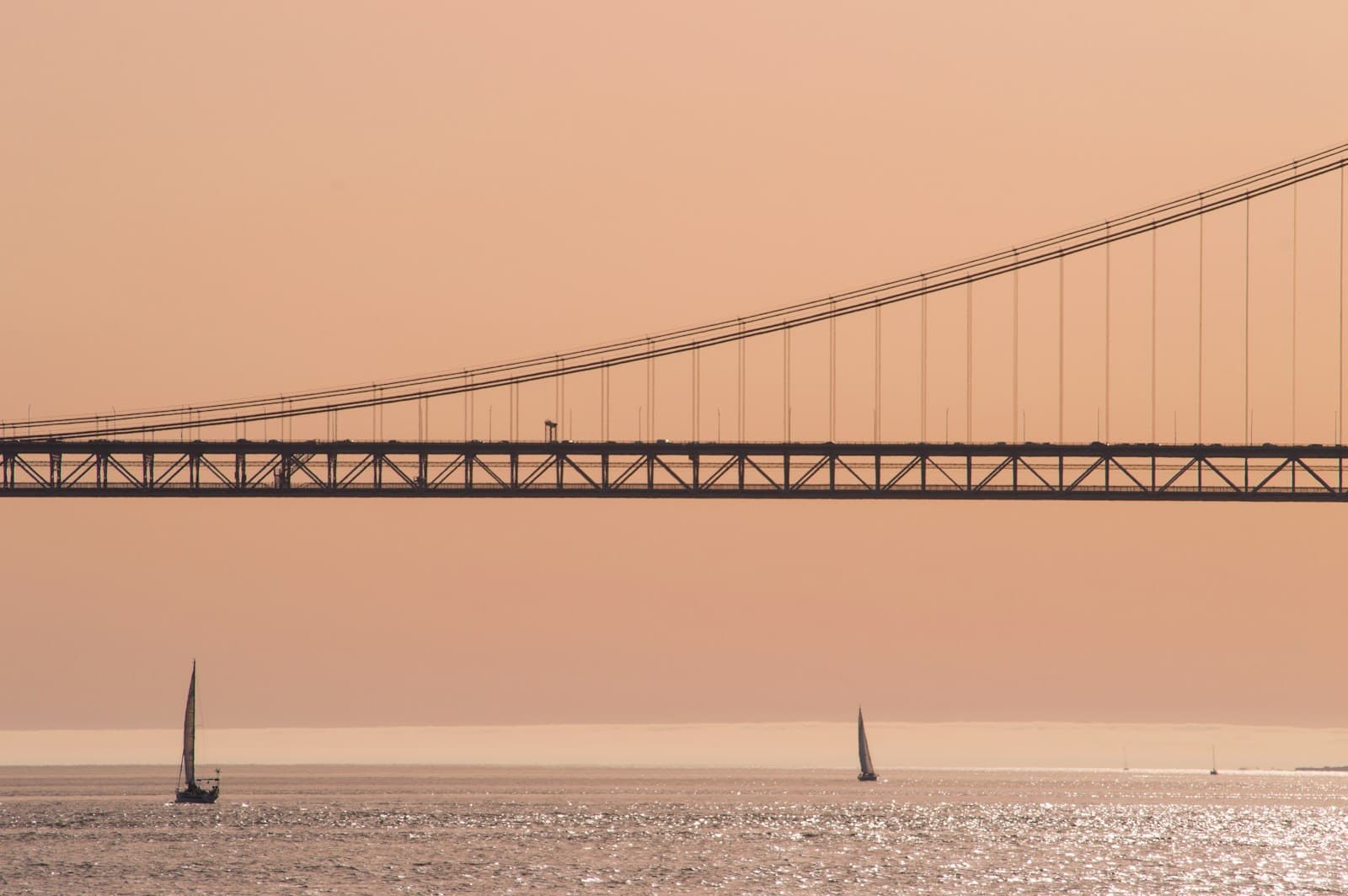
And then there is the river. In the late afternoon, take something to drink down to Ribeira das Naus, the riverside stretch between Cais do Sodré and Praça do Comércio, and sit on the broad steps facing the Tagus. The sunset there beats most paid attractions and costs exactly nothing. It is also the real test of whether Lisbon has clicked for you: the day you would rather have the river steps than the entry ticket, it has.
Practical notes
Wear proper shoes — the Portuguese pavement is slippery and the hills are unforgiving. For transport, the rechargeable public-transport card works out far cheaper than single tickets bought on board. Museum hours and free-entry conditions change; always check the official site before planning your day around one. And carry some cash for tascas and markets: a few small places still won't take foreign cards.