
Pastéis de Nata in Lisbon: Where to Eat the Best
From the secret recipe of Belém to the neighbourhood bakeries locals swear by
Redação Dazona
·
·
6 min read
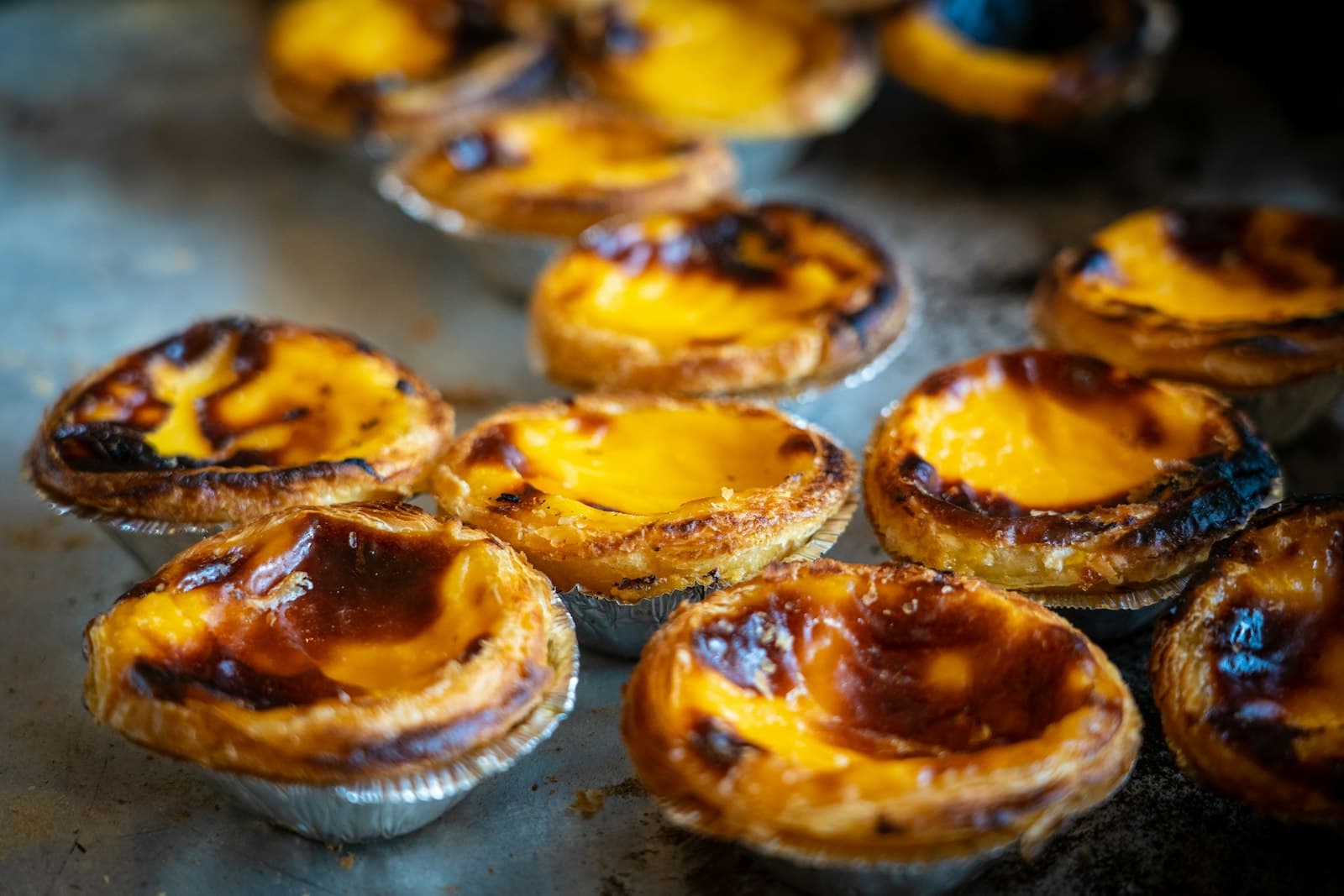
Few cities have a pastry that doubles as an identity card. Lisbon does. The pastel de nata, a small custard tart in flaky pastry, is in every bakery, every argument about who makes the best one, and most counter-top breakfasts. For a visitor the practical questions are simple: which ones are worth crossing town for, and how do you eat one without looking like a tourist? This guide answers both.
First, let's sort out the names, because Lisbon takes them seriously. Pastel de nata is the pastry in general. Pastel de Belém is a registered name: only the tarts from the original house in Belém may be called that. It sounds pedantic. It is not negotiable.
It all started in Belém, in 1837
The origin story is well known and, unusually, true. After Portugal's monasteries were closed down in the 1830s, someone connected to the Jerónimos Monastery began selling little custard tarts from a shop attached to a sugar-cane refinery. In 1837 the Pastéis de Belém bakery was founded, and it still makes the tart on the same spot today, following a recipe kept locked in a room that only the master pastry chefs may enter, known as the Oficina do Segredo, the Secret Workshop.
The result is a tart unlike any other: extremely thin, brittle pastry, a custard less sweet than average, and everything served warm from a near-continuous cycle of batches. The queue outside looks alarming but moves fast, and the tiled labyrinth of dining rooms inside turns over thousands of tarts a day. A practical tip: the queue for eating in is separate from the takeaway queue, and sitting down inside is often quicker than it looks.
What makes a great one
Before the list, the criteria. A serious pastel de nata has three signatures:
- Shatteringly crisp pastry, with a visible spiral on the base, that flakes when you bite. Soft pastry means a stale or underbaked tart.
- Custard with a wobble, neither runny nor set solid, tasting of egg yolk and a restrained hint of vanilla rather than plain sugar.
- A blistered, scorched top. The ferociously hot oven caramelises the surface in dark patches; a pale tart never got hot enough.
And one rule above all the others: eat it warm, ideally minutes out of the oven. Given the choice between a famous bakery selling cold tarts and an anonymous one with a fresh batch, take the fresh batch.
Manteigaria: the Chiado challenger
Manteigaria opened in 2014 in a former butter factory on Rua do Loreto, next to Camões square, and changed the conversation about custard tarts in the city centre. The shop is small, you eat standing at the counter, and the kitchen is behind glass: you watch the dough being rolled and the trays coming out of the oven. When a fresh batch is ready, they ring a bell. If you hear it, do not hesitate.
The tart here is richer and more deeply caramelised than Belém's, with a sweeter custard. Some people prefer one, some the other; the argument is permanent and is half the fun. The brand has since grown, with counters elsewhere in the city including the Time Out Market, but the Chiado original keeps the proper atmosphere.
Aloma: the neighbourhood pick
Away from the tourist circuit, the Aloma bakery in Campo de Ourique is many locals' answer to the best-tart question. It is a classic neighbourhood pastelaria, all counter, display cases and regulars, and it has won Lisbon's best pastel de nata competition more than once. The custard is light and not very sweet, the pastry does its job, and the prices are neighbourhood prices rather than shop-window ones.
Getting to Campo de Ourique is part of the appeal: the district has a market hall, bookshops and the kind of everyday city life that parts of the centre have lost.
Fábrica da Nata: the city-centre option
Fábrica da Nata, with branches on Praça dos Restauradores and Rua Augusta, is the convenient choice when you are in the Baixa and cannot face crossing town. The concept resembles Manteigaria's, with production on display and tarts served warm, in a larger, more staged space lined with azulejos; they even offer a tart paired with a glass of port. It is neither the pilgrimage of Belém nor Aloma's neighbourhood secret, but it delivers, and the location is unbeatable.
How the locals eat them
A few notes of local etiquette, so you eat yours properly:
- Cinnamon on top, whenever it's offered. The shaker sits on the counter next to the icing sugar. Cinnamon is near-universal; the sugar divides opinion.
- With a bica. The tart wants an espresso, which in Lisbon you order as a bica. The contrast between sweet custard and short, bitter coffee is the whole point.
- At the counter, at any hour. The pastel de nata is not a dessert or a special-occasion sweet: it is breakfast, mid-morning fuel, afternoon snack. Two is normal. Nobody judges three.
- Warm, once again. If the display case is full and trade is slow, ask when the next batch comes out.
Practical notes
- Expect a queue in Belém, especially at weekends; go early in the morning. The bakery sits beside the Jerónimos Monastery, an easy tram or train ride to Belém.
- Prices vary between neighbourhood counters and the tourist zones, but either way the pastel de nata remains one of the cheapest pleasures in the city.
- Opening hours shift with the seasons: check each bakery's official site before making a special trip.
- Do not leave Lisbon without trying at least two, from different houses, on the same day. It is the only honest way to join the argument.